MVP scope and product logic
Clarify the first useful version, the user job, and what should wait.

MVP design and development
Refire helps founders and lean teams clarify MVP scope, design product UX/UI, shape the launch story, and prepare implementation-ready interfaces for web, mobile, dashboards, and complex workflows.
When this helps
The best fit is an ambiguous product situation where scope, UX, story, and build decisions need to come together.
You have an idea, but the MVP scope is still too broad.
You have a prototype, but the product logic and key states are unclear.
You have a first build, but the UX does not explain the value quickly enough.
You need a demo, launch page, or investor-ready product story.
Your product involves dashboards, payments, healthcare, marketplaces, Web3, or operational workflows.
How Refire helps
The page is not a fixed package. It is a clearer starting point for scoping the right first release.
Clarify the first useful version, the user job, and what should wait.
Map the core journeys, roles, states, and decision points before polishing screens.
Shape reusable UI patterns, product copy, and implementation-ready states.
Connect product design with frontend, integrations, launch website, or prototype implementation.
Proof
The strongest Refire pattern is turning complex product situations into clearer UX, product logic, and build-ready systems.
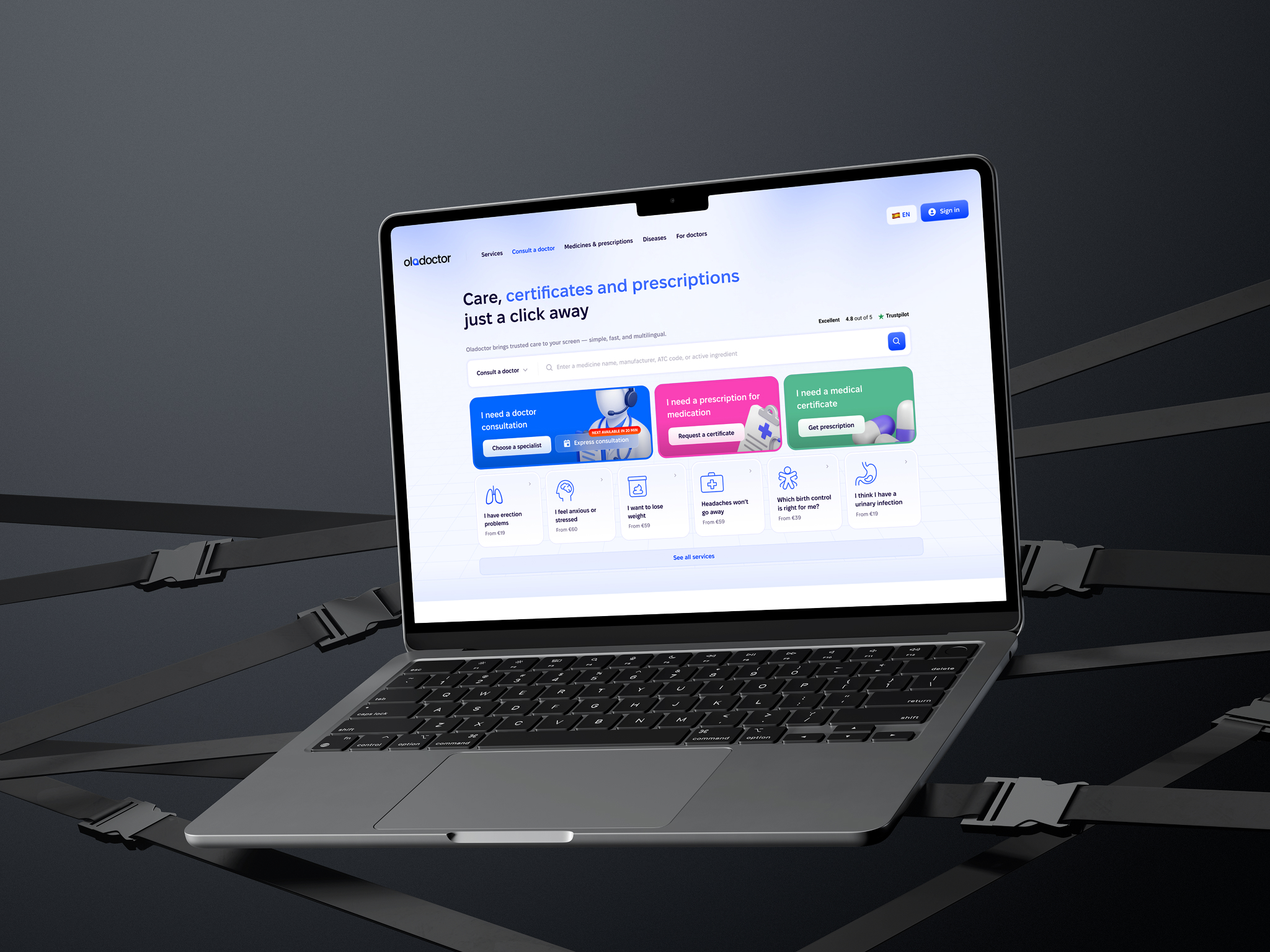
Healthcare marketplace
Patient, doctor, public-site, admin, localization, and product-system work for a high-trust marketplace.
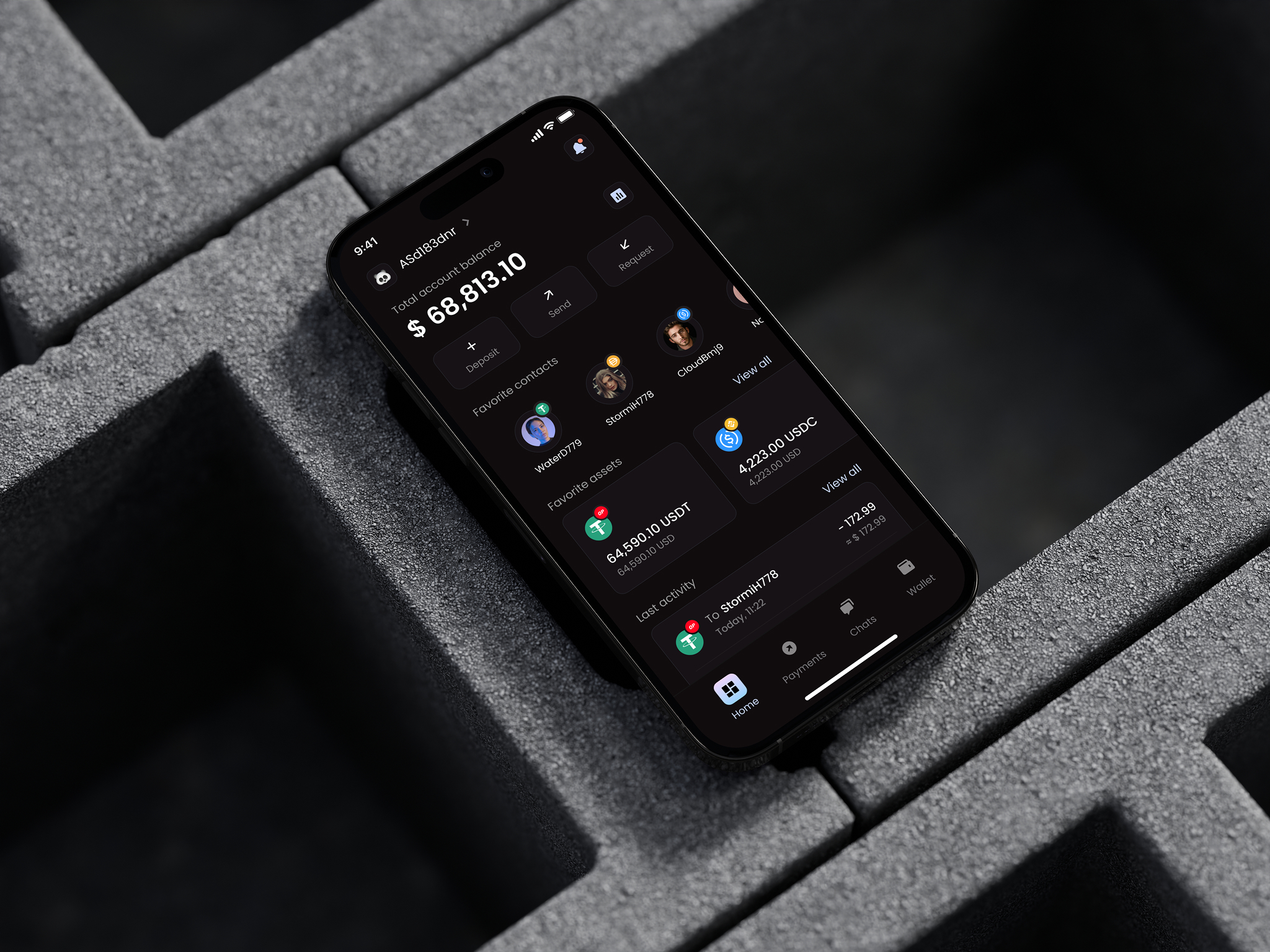
Stablecoin payment app
Mobile wallet, P2P payments, business settlement, onboarding, security states, and transaction confidence.

Telegram mini app
A compact Web3 product extension for onboarding, balances, rewards, and drop discovery inside platform limits.
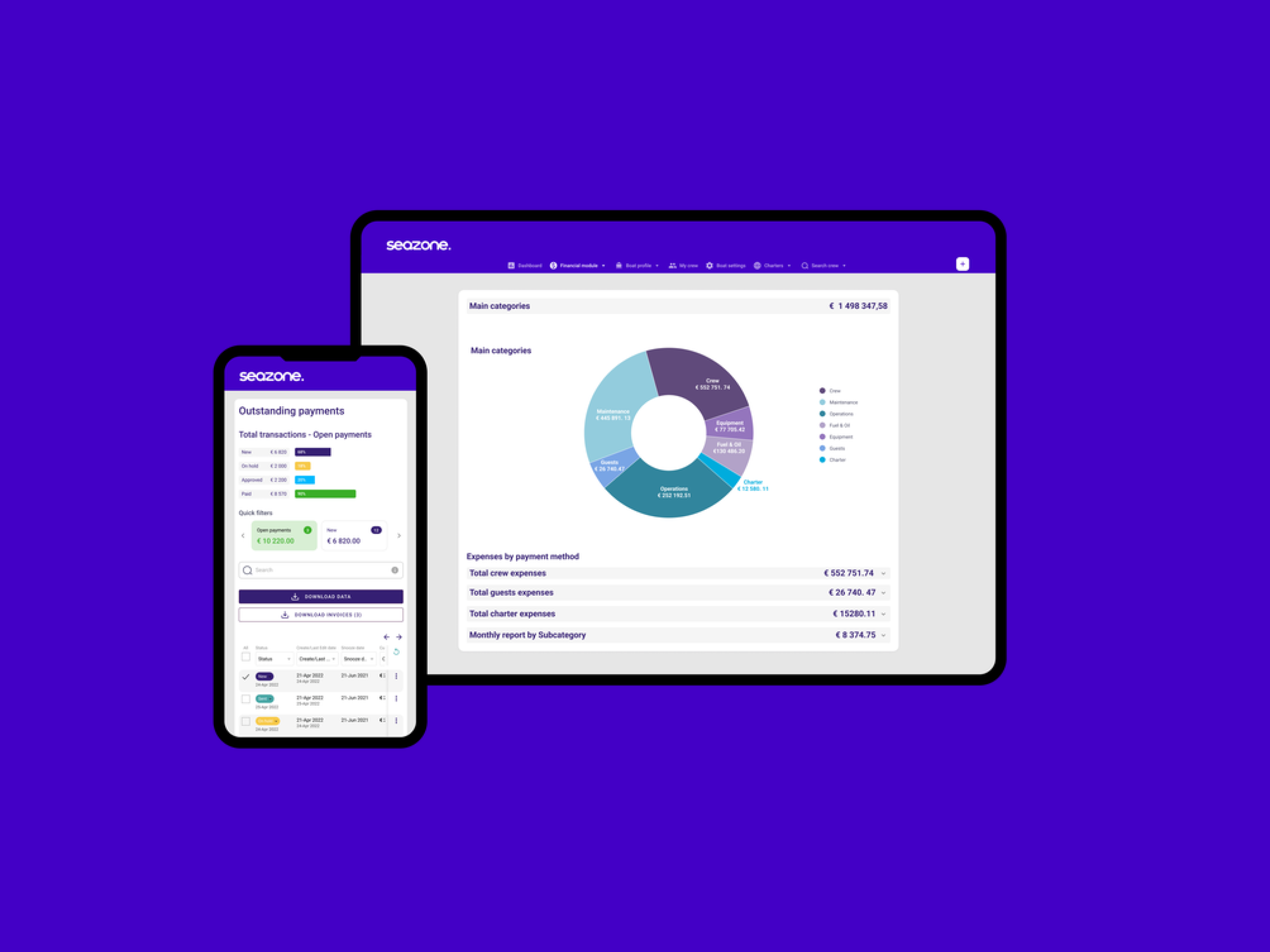
Operational SaaS
Role-based fleet, supplier, crew, finance, reporting, and dense dashboard workflows for a B2B product.
Process
The exact scope changes by project, but the work usually follows this decision path.
Product stage, audience, current prototype or build, constraints, and the next business decision.
What the first useful version should include, what can wait, and where the product story needs work.
Flows, IA, interface states, key screens, edge cases, and product copy shaped around the real workflow.
Reusable UI patterns, implementation notes, frontend-ready screens, launch assets, or build support when scoped.
A practical path for the first customer-facing version, feedback loop, and next release priorities.
Refire uses agentic tooling, code-driven prototypes, UI QA loops, and structured review workflows to move faster through scope, interface decisions, and implementation checks. The goal is to make senior product work more focused, testable, and build-ready.
FAQ
No. MVPs are the main entry point, but Refire also helps with launch websites, product UX/UI, dashboards, design systems, frontend implementation, integrations, and iteration after launch.
Yes. A prototype is often the right starting point. The work usually becomes clarifying product logic, UX states, implementation constraints, and the first release scope.
Build support can be included when it fits the scope. Refire is implementation-aware by default, and frontend, prototype, backend, API, or integration work can be planned around the product need.
AI and agentic tooling are used as delivery leverage for research, structured review, prototyping, UI QA, and implementation checks. Product judgment stays human and senior-led.
Share the product, current stage, and first useful version you need. We'll reply with a practical next step.
Start a project